1. Before the crew arrives
The owner confirms the scene is released and shares access details. You get a list of what the family wants kept.
Groveland, ID · Bingham County
What do you do after police clear a homicide scene in Groveland? Call (877) 812-4220. Professional cleaners take over to remove blood, treat porous materials and make the space safe again.
If anyone is in danger, call 911 first. For a suicide crisis, call or text 988.
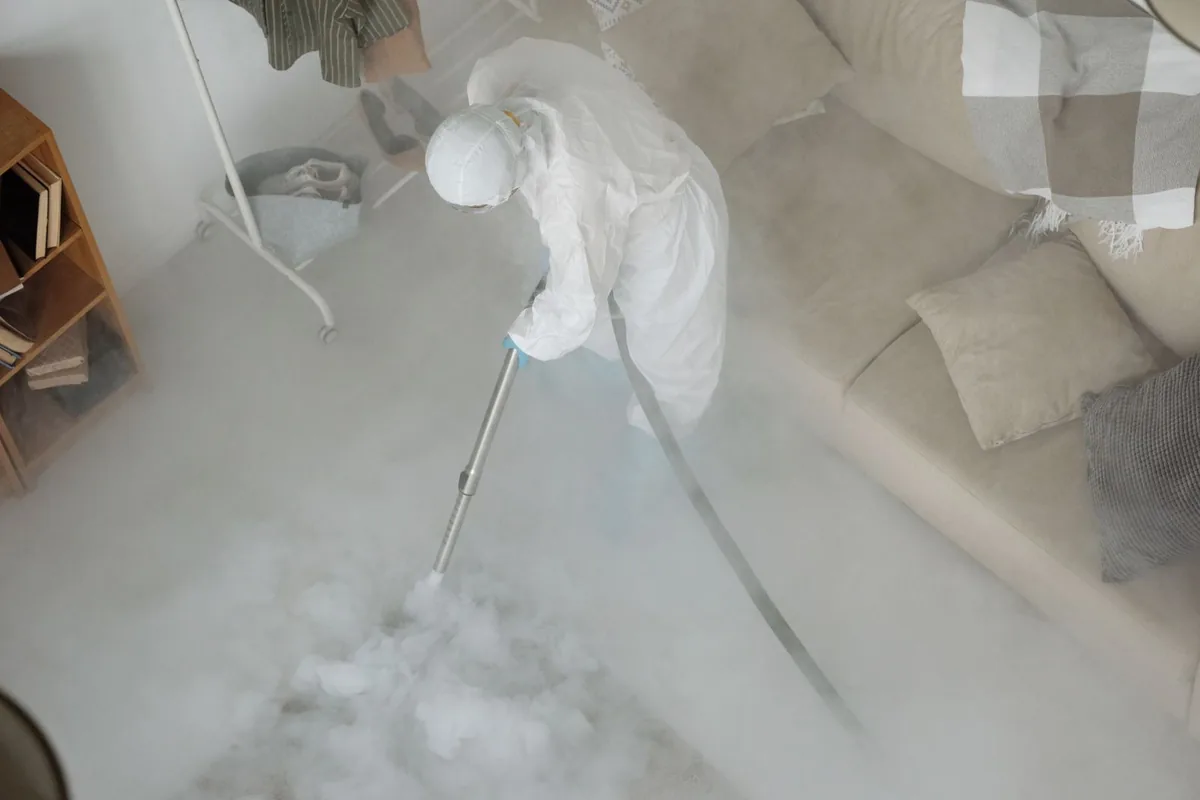
Homicide crime scene cleanup is a form of biohazard remediation. It addresses bloodborne pathogens, soaked porous materials and residue that police leave behind when they finish gathering evidence.
For a homicide in Groveland, you want cleaners who understand the weight of the job. Get quiet, careful work in Bingham County homes, offices and vehicles with help from Groveland Biohazard Cleanup Help.
Only about 20% of households in Bingham County rent, so most homicide cleanups are arranged by homeowners and their families. About 54% of homes in Bingham County were built before 1980, and older carpet, subfloor and wood trim absorb fluids deeply.
What homicide cleanup covers:
The owner confirms the scene is released and shares access details. You get a list of what the family wants kept.
Blood, tissue and soaked porous materials are taken out in sealed containers and hauled away as regulated waste.
Contaminated materials are removed, and the affected area is scrubbed, disinfected and treated for odor.
A final inspection and a clear set of records finish the job, so the owner can move forward.
Homicide cleanup in Groveland, ID typically costs $2,000 to $10,000, depending on the size of the affected area and the materials involved.
The price depends on how far fluids spread, how much carpet, padding or drywall must come out and whether the scene reaches more than one room.
| Type of job | Typical range |
|---|---|
| Violent crime scene | $2,500 - $9,000 |
| Larger scene | $3,000 - $10,000 |
| Smaller scene | $2,000 - $6,000 |
Estimates only, not a quote. Sources: Crime scene cleanup cost guide from a biohazard cleanup company, BioCleaners Directory. Price drivers include size of the scene, how deep fluids reached, number of rooms, waste disposal. Call (877) 812-4220 to talk through the job.
Yes. Dried blood can still carry bloodborne pathogens, and wiping or scraping can release particles. Crews wear protective equipment and use hospital-grade disinfectants to make the area safe.
Crews set personal items aside and clean what can be saved. Items soaked with fluids may have to go. The team tells you what it finds, so you decide what matters.
Yes, when the source is removed. Odor often comes from materials fluids soaked into, so crews take those out, then clean and deodorize the space. The air is filtered to finish the job.
Ask what training the crew has, how waste is disposed of, what records you get and how privacy is protected. A good company explains each step in plain words and answers questions before work starts.
Many families find support through victim services, counselors and faith communities. If you or someone you know is in crisis, call or text 988 anytime. The cleanup crew focuses on the property so you can focus on healing.
They seal off the area, wear protective gear and remove soaked flooring, drywall and furniture. Hard surfaces are cleaned and disinfected. Waste is hauled as regulated medical waste, and the air is treated for odor.
Compassionate help from the first call to the final inspection.
Call (877) 812-4220